
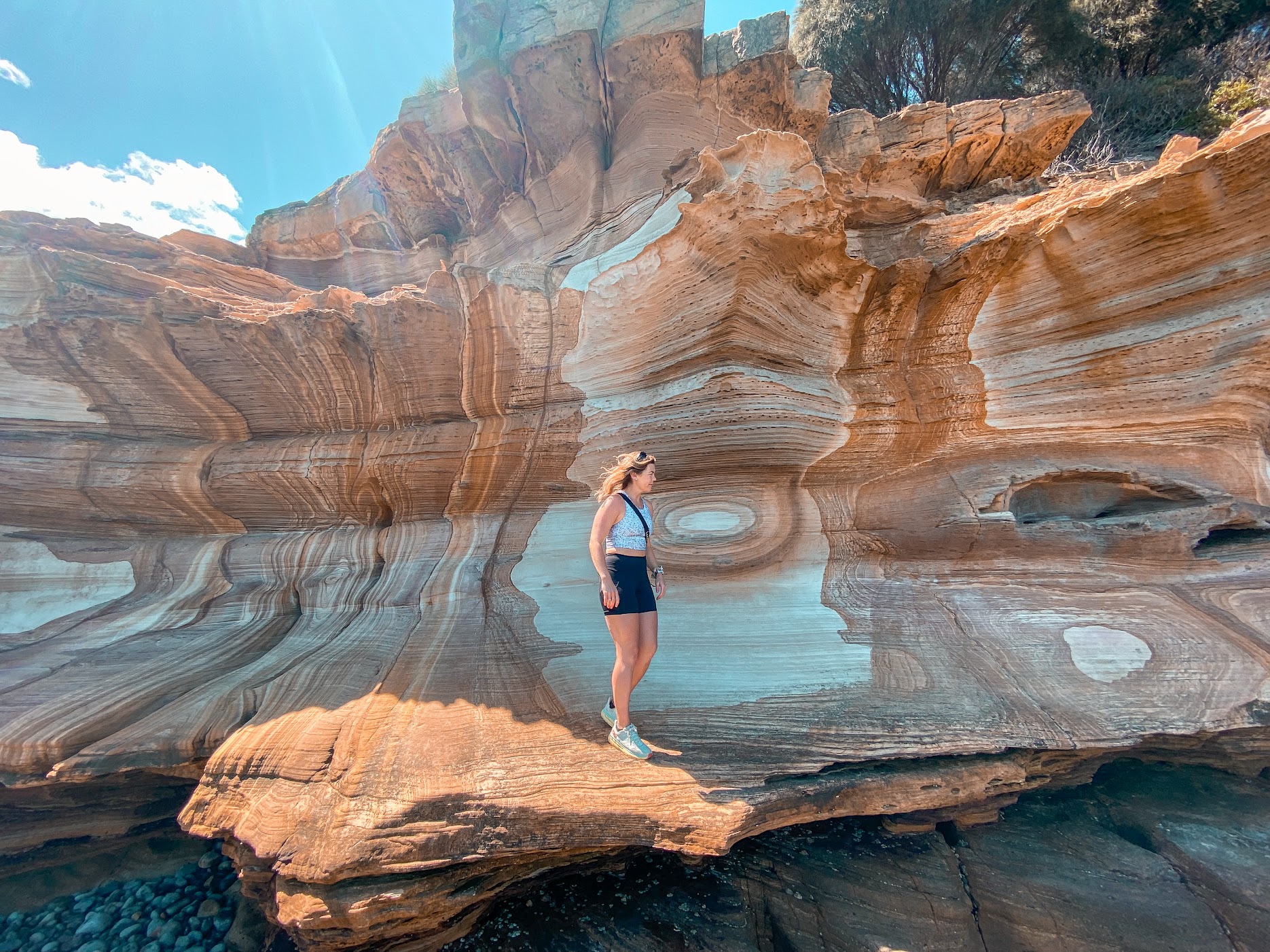
Maria Island Maria Island (pronounced “Ma-rye-ah”), a small island located off the east coast of Tasmania, 13 km at its widest and 20 km long, is probably one of my favourite places in all of Australia, never mind Tasmania. But if you were thinking of skipping this little slice of paradise, don’t! The island is best known for its convict history and scores of animals, Cape Barren Geese, Tasmanian devils and wombats that live there, making it known as Tasmania’s ‘Noah’s Ark’. The minute we stepped off the ferry, we stopped wombats and Cape Barren Geese. Wildlife is just everywhere here! The water is some the clearest and cleaner I’ve ever seen, beaches so inviting to run onto and dive into the water. There are no cars on the island so everyone gets around on foot or two wheels and it is a slower pace of life with little reception so it ensures you are really off the grid. We unfortunately didn’t have the time to stay overnight and most people come for a day trip but if you have the time it is definitely worth spending 2-3 days here…
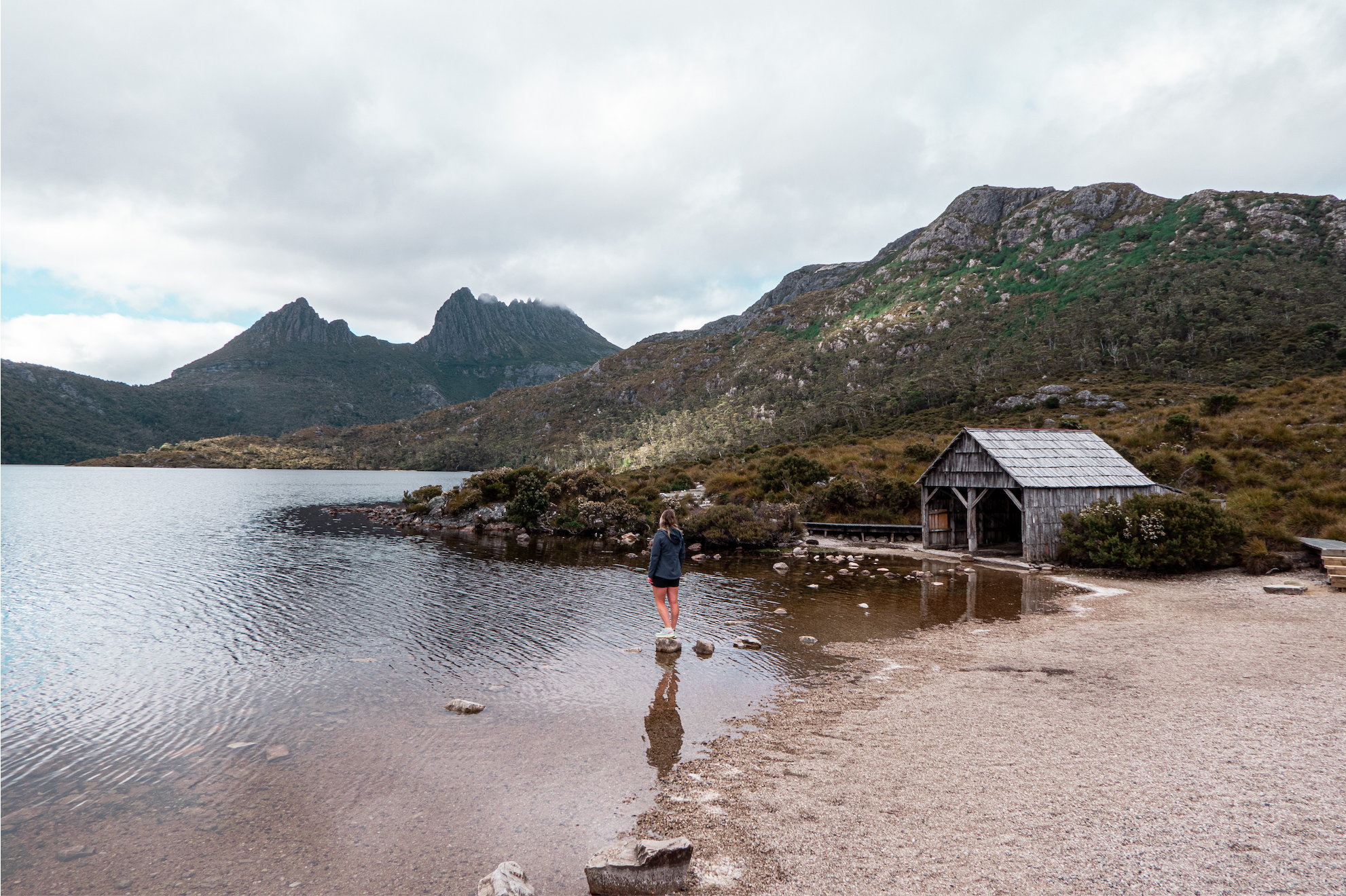
I decided to write a separate blog on Cradle Mountain to my complete guide to the lap of Tasmania (click here) on how to get to Cradle Mountain, what to expect, where to stay and eat and most importantly, what hikes to do for the time you have. Cradle mountain is a hikers dream, it is where the Overland Track, a 80 km multi day hiking trial starts from and ends the other side of the National Park in Lake St Clair. If the Overland Track isn’t for you and you like the comforts of a hot shower and comfy bed at the end of a days hiking, Cradle Mountain has so much to offer. You could spend a week here between both sides of the park. There are a plethora of day walks ranging from 19 km to a cruise 2km loop. Cradle Mountain is a huge National Park and unless you are planning on doing the Overland Track (6 days), you will have to visit the Cradle Mountain side of the park and then drive to the Lake St Clair side of the park to explore this. If you are big into your hiking…
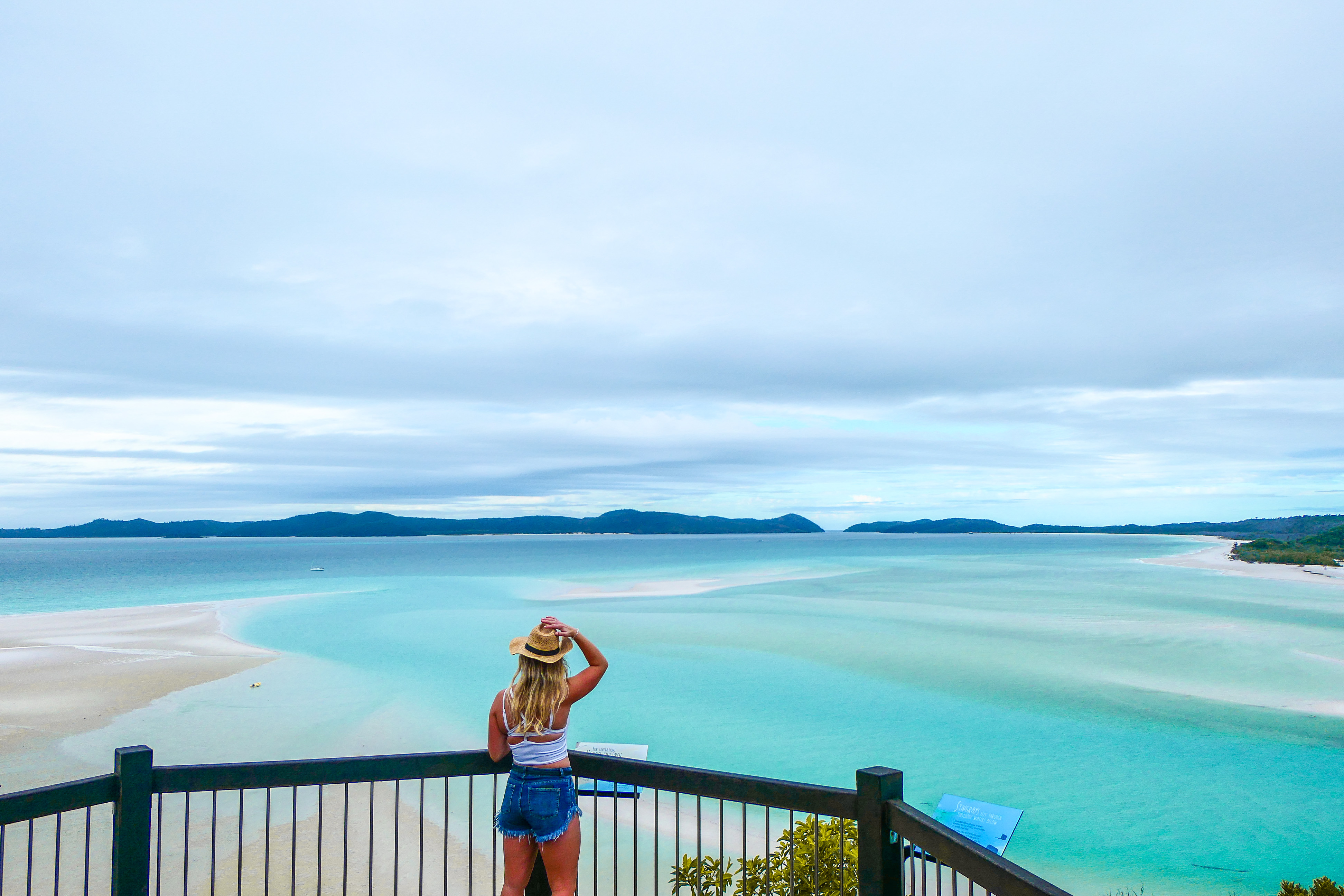
Home to 74 paradisiacal islands situated in the heart great barrier reef, this magical place is a non negotiable for tourists visiting Queensland. Most of the Whitsunday Islands are uninhabited and are a protected National Park teaming with wildlife, surrounded by colourful coral and white silica sand. But there are a few islands that are open for tourists to holiday on. When to go? The Whitsundays are located in tropical Queensland so temperatures rarely drop below 23 degrees all year round but the best times to go are Spring or Autumn. Avoid traveling during Jan-Mar as it is the rainy season, temperatures are very high, humidity is high and it is school holidays. ‘Stinger season’ also runs during the warmer months (Oct-May). That being said, jellyfish can be present year round. April- May: Heat and humidity are less, days are bright and clear with pleasant temperatures of high 20s. Jun-Aug: Best time to be in luck of spotting majestic humpback whales. Cooler temperatures of low- mid 20s dropping to 16-17 degrees at night. Sept- Oct: Peak season with glorious temperatures of high 20s, clear days and light winds. Whitsundays highlights: Whitehaven beach…
I had been told by many people to bring as little as possible and really only bring the essentials as you will be carrying it around and unpacking and repacking every few days. I knew I would struggle with this as I like to have options for every situation and am not a minimalist. At one stage I owned over 30 pairs of jeans so that will give you an idea… Within the first week I met a friend who is a seasoned backpacker and had a 55L backpack for her 10 weeks around central America. She advised me to get ruthless and start binning/donating clothes. I packed a 85L backpack to the brim and a day pack which is 35L, also stuffed. At 5’6, a 18 kg backpack is not easily lugged around the world. I would suggest no more then 65L for a female and 75L for a male. No idea why backpacks are measured in litres. Tips for packing Lay out the things you need to bring and pack your back pack. Unpack it, remove half of the clothes, repack and repeat this once more. Invest in a decent backpack. The Osprey backpacks…
I would consider myself to be well travelled and savy on what one would need for any type of trip, be it a winter in the Alps, a weekend in Ibiza or a treking holiday but I really struggled when it came to packing for what could be a year in all times of climates, occassions and activities…